
New commercial construction projects involve careful coordination between multiple trades, strict timelines, and detailed quality requirements. While structural work, electrical installations, plumbing, and flooring often receive considerable attention, professional painting is equally important to preparing a building for occupancy. The right paint systems and application methods help create a polished appearance while protecting interior and exterior surfaces for years to come.
For commercial property owners, developers, and general contractors, understanding the new construction painting process can make project planning considerably easier. Working with an experienced painter in Minnesota helps ensure that painting is properly scheduled, surfaces are prepared correctly, and the finished building meets the project’s appearance and performance expectations.
Understanding the Role of Commercial Painting in New Construction
Commercial painting is more than the final decorative step in a construction project. It contributes to the functionality, durability, and overall presentation of the finished property.
New commercial buildings may include offices, retail spaces, healthcare facilities, educational institutions, warehouses, and industrial properties. Each environment has different requirements when it comes to paint selection, surface preparation, and application.
For example, an office building may require consistent wall finishes and carefully coordinated color schemes, while a warehouse may need durable coatings that withstand regular activity and equipment contact.
A professional commercial painting contractor considers how each space will be used before recommending suitable products and finishes. This helps ensure the completed project supports both the building’s intended function and its long-term maintenance requirements.
What Happens During the New Construction Painting Process?
Understanding the stages of commercial painting helps property owners know what to expect as their construction project progresses.
1. Project Planning and Site Coordination
Painting schedules need to align with the broader construction timeline. Commercial painters typically coordinate with general contractors, construction managers, and other trades to determine when individual areas will be ready for painting.
This planning helps prevent scheduling conflicts and unnecessary delays. Painting too early can expose freshly finished surfaces to damage from ongoing construction activities, while scheduling too late can affect final inspections and occupancy preparations.
Before work begins, the painting contractor should understand the project scope, building layout, surface materials, and expected completion dates.
2. Surface Preparation
Proper surface preparation is essential to achieving consistent, professional results. Even newly constructed buildings can have imperfections that affect the final appearance of painted surfaces.
Preparation may include removing construction dust, dirt, and debris to create a clean surface for painting. Nail holes, joints, and minor imperfections are filled to achieve a smoother finish, while drywall compounds and uneven areas are sanded to create a consistent surface. Painters also clean surfaces to remove contaminants that could interfere with paint adhesion. Before application begins, windows, flooring, fixtures, and other finished materials are properly protected to prevent accidental paint damage.
New drywall, concrete, metal, and wood surfaces each require appropriate preparation methods. Skipping these steps can result in uneven coverage, poor adhesion, visible imperfections, or premature coating failure.
3. Priming and First-Coat Application
Once surfaces are prepared, the appropriate primer is applied to create a suitable foundation for the finish coats.
New drywall generally requires a primer designed to seal the surface and promote consistent paint absorption. Metal components may require specialized primers to support adhesion and corrosion resistance, depending on the material and exposure conditions.
After priming, the first coat of paint is applied according to the product specifications. Proper application helps establish consistent coverage and prepares the surface for subsequent coats.
4. Finish Coats and Detail Work
The finish-coat stage is where the building’s interior and exterior appearance begins to come together.
Commercial painting contractors apply the specified colors and finishes across walls, ceilings, doors, trim, and other designated surfaces. Depending on the project, this may involve a combination of spraying, rolling, and brush application.
Attention to detail is particularly important around corners, door frames, transitions, and architectural features. Consistent application helps create a cohesive appearance throughout the property.
5. Final Inspections and Touch-Ups
Before the painting scope is considered complete, finished surfaces should be inspected for consistency and quality.
The inspection process may identify missed areas, uneven coverage, paint splatter, visible application marks, or imperfections requiring additional attention.
Touch-ups and corrections help bring the finished work in line with project specifications. Coordination with the general contractor also helps ensure that painting deficiencies are addressed before the building moves toward final handover.
Choosing the Right Paint Systems for Commercial Properties
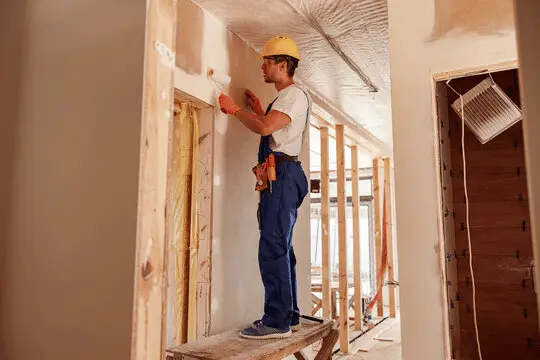
Not every commercial building requires the same paint products. Selecting appropriate coatings depends on the building’s intended use, surface materials, environmental conditions, and maintenance expectations.
For example, high-traffic commercial corridors may benefit from durable finishes that are easier to clean and maintain. Healthcare and educational facilities may require products suited to frequent cleaning, while industrial environments may need specialized coatings for particular substrates and operating conditions.
Exterior painting requires additional consideration. Minnesota experiences significant seasonal temperature changes, snow, moisture, and freeze-thaw cycles. Exterior coating systems should therefore be selected according to the substrate, exposure conditions, and manufacturer recommendations.
An experienced painter in Minnesota can help commercial property owners and construction teams identify suitable products for different areas of the building.
Coordinating Painting With Other Construction Trades
One of the biggest challenges in new construction painting is coordinating work with other contractors.
Commercial construction projects involve multiple trades working across different areas of the building. Electricians, plumbers, HVAC technicians, flooring installers, and finish carpenters may all require access to spaces throughout the project.
Painting schedules must account for these activities to minimize the risk of damage to completed surfaces.
For instance, applying final coats before electrical fixtures and other installations are completed may result in unnecessary touch-ups. Similarly, painting walls before certain finish carpentry activities are finished can create additional work.
Clear communication between the painting contractor and construction management team helps establish a logical sequence of work. Phased painting schedules can also allow crews to complete designated areas while other sections of the building remain under construction.
Choose Finnish Painting for Your Next Commercial Construction Project
Our experienced team at Finnish Painting helps keep painting activities aligned with construction schedules while delivering consistent finishes across different spaces and surfaces. Whether the project involves a new office building, retail development, healthcare facility, or industrial property, our professional planning and execution make a meaningful difference.
Reach out to Finnish Painting today discuss your project requirements and plan a painting approach that supports your building’s timeline and long-term needs.